Research in internal medicine, metabolic diseases, and vascular health at Professor Ryszkiel’s institution has a natural connection to sports science. It helps us better understand how physical activity affects health and how athletes can be prepared, monitored, and supported in their recovery.
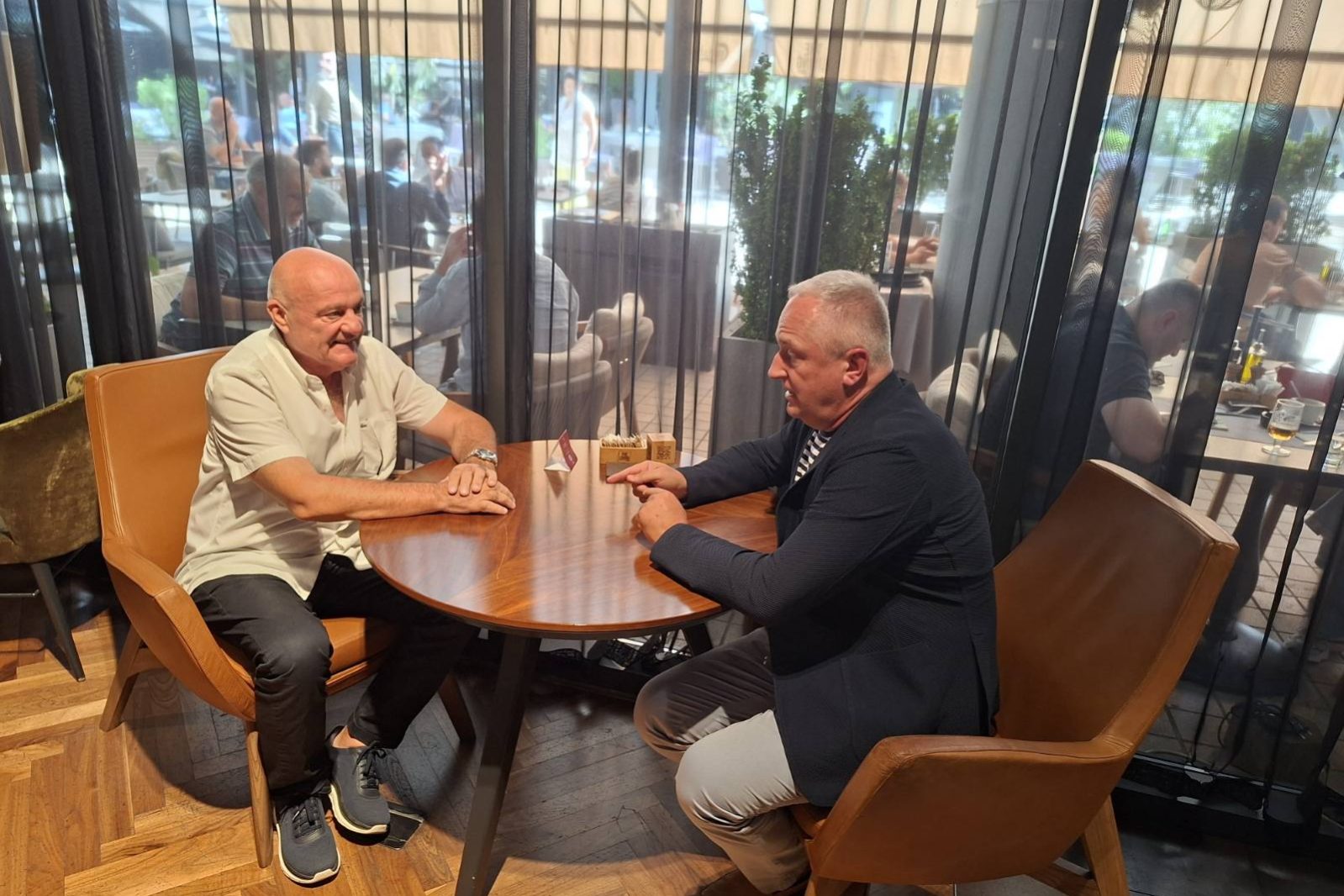
Prof. Ireneusz Ryszkiel of the Medical University of Silesia in Katowice, Poland, took part in an international sports science conference in Montenegro, held at the Crowne Plaza Hotel, Podgorica. We spoke about the value of bringing together researchers from different countries and the opportunities for collaboration in sports medicine.
CSA: When we talk about sport, we often think first of results. From the perspective of medicine and science, what is its deeper value?
Prof. Ryszkiel: Results are the visible part of sport, but its value extends beyond victories and records. Sport shows us how far a person can progress when knowledge, hard work, and support come together around a shared goal. It also reminds us that success has its fullest meaning when we protect people’s health. This is where medicine and sports science meet: both seek to understand human potential more deeply and use that knowledge for people’s benefit.
CSA: How important are conferences, the exchange of experience, and the publication of research findings to the development of sports science?
Prof. Ryszkiel: A conference gives researchers the opportunity to ask one another questions that might never arise when working alone. By exchanging experiences, we gain a better understanding of what our findings mean in different settings. By publishing them, we make them available to colleagues who can examine and build on them. Science advances through this conversation, which continues long after the conference ends.
CSA: Professor, how would you assess the organization and overall quality of the conference?
Prof. Ryszkiel: The conference creates a space for specialists from different fields to meet. I particularly value its interdisciplinary character, which Professor Duško Bjelica and his team encourage. Meetings like this allow us to discuss shared questions and develop ideas that can advance sports medicine.
CSA: In your view, what is the greatest scientific and professional value of bringing together researchers from different countries?
Prof. Ryszkiel: The greatest value lies in people who bring knowledge, experience, and new ideas, and who want to work together. Progress also requires equipment, infrastructure, and investment, but it is people who drive research and connect different disciplines.
CSA: How would you assess your institution’s cooperation with colleagues from Montenegro so far?
Prof. Ryszkiel: I consider our cooperation with Professor Duško Bjelica and his team valuable. It gives us an opportunity to connect specialists and exchange experience in areas that matter to sport and health. I would like to see those contacts develop further through joint work.
CSA: Which areas offer the greatest potential for future joint projects?
Prof. Ryszkiel: First and foremost, physical therapy, followed by cardiology. I also see psychology as a possible area of cooperation. Bringing this expertise together could be valuable for research concerning athletes, their health, and their recovery.
CSA: Can this conference contribute to stronger international cooperation among universities and researchers?
Prof. Ryszkiel: Yes, if the conversations begun here lead to concrete joint activities. Success requires people with ideas, suitable working conditions, and clear goals. A conference is a good place to bring these elements together.
CSA: What message would you like to share with the organizers and participants?
Prof. Ryszkiel: Continue bringing together people from different scientific fields and countries. Support young researchers: their energy and determination can lead to significant achievements, especially when they have the guidance of experienced colleagues. I thank the organizers for the opportunity to talk and collaborate.
Our conversation with Professor Ryszkiel reminds us that the value of a scientific conference cannot be measured solely by the number of presentations and published papers. It is also reflected in the questions researchers ask one another, the ideas that emerge from their conversations, and the cooperation that continues after they meet. When medicine and sports science come together, their shared goal becomes clearer: knowledge that contributes to people’s health and the responsible development of sport.